
To clean diesel bug from large fuel storage tanks, test the fuel, remove water contamination, apply suitable treatment, and use fuel polishing to remove sludge and impurities. Severe contamination may require professional tank cleaning to restore fuel quality and prevent future contamination.
Diesel bug is one of the most common fuel contamination issues found in large diesel storage tanks, particularly in industrial sites, commercial facilities, emergency generator systems, and fuel storage operations. If it is not identified and treated quickly, diesel bug can affect fuel quality, block filtration systems, damage equipment, and increase operational costs. Companies that rely on clean and reliable fuel supplies often require professional fuel testing and cleaning support from specialists such as Network Environmental UK to remove contamination and maintain fuel system performance.
Large fuel storage tanks are more likely to develop diesel bug because diesel is often stored for long periods. When moisture enters the tank, bacteria and fungi can begin to grow at the water and fuel layer. Over time, this microbial growth creates sludge and deposits that can spread throughout the fuel system.
Cleaning diesel bug from a large fuel storage tank requires a proper process that includes identifying contamination, removing water, treating affected fuel, and preventing the problem from returning. This guide explains how diesel bug develops, how it can be cleaned, and how businesses can protect their fuel storage systems.
What Is Diesel Bug in Fuel Storage Tanks?
Diesel bug is a form of microbial contamination that occurs when microorganisms such as bacteria and fungi grow inside diesel fuel.
These microorganisms live in the area where water and diesel meet. They use fuel as a food source and create a sticky waste material known as biomass or sludge.
Over time, this contamination can:
- Reduce fuel quality
- Block fuel filters
- Affect pumps and injectors
- Cause equipment failures
- Increase maintenance requirements
Diesel bug does not usually appear suddenly. It develops gradually when fuel storage conditions allow moisture and microorganisms to remain inside the tank.
Why Do Large Fuel Storage Tanks Get Diesel Bug?
Large fuel storage tanks can be more vulnerable because they often contain thousands of litres of diesel that may remain unused for extended periods.
Water Build-Up Inside the Tank
Water is the main cause of diesel bug growth. Moisture can enter fuel tanks through:
- Condensation caused by temperature changes
- Rainwater entering through damaged seals
- Poor tank maintenance
- Contaminated fuel deliveries
When water settles at the bottom of the tank, it creates the ideal environment for bacteria and fungi to multiply.
Long-Term Diesel Storage
Diesel that remains stored for long periods has a higher chance of contamination. Fuel movement helps reduce settling, while unused fuel allows water and microbial growth to remain undisturbed.
Poor Fuel Tank Maintenance
Without regular fuel checks and tank inspections, diesel bug can develop unnoticed. By the time problems appear, contamination may already be widespread.
Changing Weather Conditions
The UK climate can contribute to condensation inside storage tanks. Temperature changes between day and night can cause moisture to form inside the tank.
Signs Your Large Fuel Storage Tank Has Diesel Bug
Recognising diesel bug early can help prevent expensive repairs and fuel system problems.
Blocked Fuel Filters
One of the most common signs of diesel bug is blocked filters. The sludge created by microbial growth can restrict fuel flow and reduce equipment performance.
Dirty or Cloudy Diesel
Clean diesel should have a clear appearance. If the fuel becomes dark, cloudy, or contains visible particles, contamination may be present.
Sludge Formation
A thick layer of dark sludge at the bottom of the tank is a strong indication of diesel bug contamination.
Equipment Starting Problems
Contaminated fuel can cause:
- Difficulty starting engines
- Reduced power output
- Unexpected shutdowns
- Poor equipment performance
Increased Filter Replacement
If fuel filters require frequent replacement, diesel contamination may be the underlying cause.
How to Clean Diesel Bug from Large Fuel Storage Tanks
Cleaning diesel bug from a large fuel storage tank requires a careful and effective approach. Simply adding a treatment chemical may not remove heavy contamination because sludge and deposits can remain inside the system.
Step 1: Test the Fuel Quality
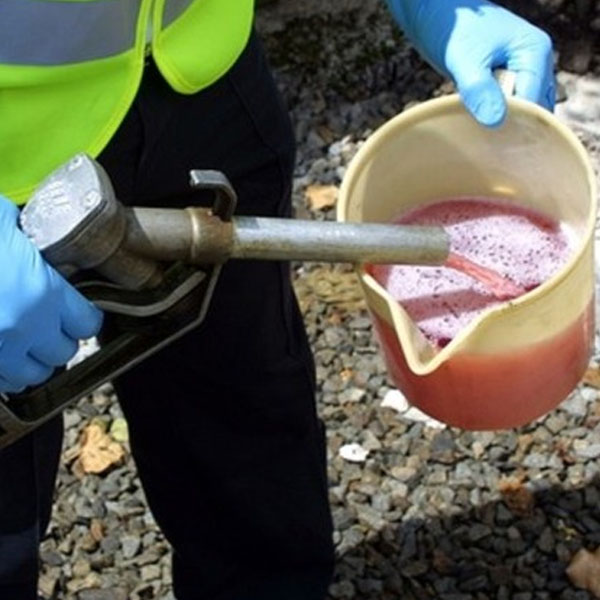
The first stage of diesel bug cleaning is fuel testing.
Fuel analysis helps identify:
- Level of microbial contamination
- Water presence
- Fuel condition
- Required treatment method
Testing provides accurate information before cleaning begins.
Step 2: Remove Water from the Fuel Tank
Since diesel bug needs water to survive, removing water is an essential part of the cleaning process.
Specialist equipment can be used to remove water from the bottom of the tank where contamination usually develops.
Removing water helps stop further microbial growth and improves fuel quality.
Step 3: Apply Diesel Bug Treatment
A suitable fuel biocide treatment may be used to eliminate bacteria and fungi.
The treatment amount depends on:
- Tank size
- Fuel volume
- Contamination severity
Correct application is important because insufficient treatment may leave contamination behind.
Step 4: Carry Out Fuel Polishing
Fuel polishing is an effective method for cleaning contaminated diesel stored in large tanks.
During fuel polishing:
- Diesel is circulated through specialist filtration equipment
- Water and contaminants are removed
- Sludge and particles are filtered out
- Clean fuel is returned to the tank
This process helps restore fuel quality without needing to dispose of large amounts of diesel.
Step 5: Clean the Inside of the Storage Tank
If contamination is severe, internal tank cleaning may be required.
Tank cleaning removes:
- Microbial deposits
- Sludge
- Sediment
- Water contamination
A clean tank provides a better environment for maintaining fuel quality.
Step 6: Inspect the Fuel System
After cleaning, the complete fuel system should be checked.
This includes:
- Fuel lines
- Pumps
- Filters
- Tank condition
- Drain points
Inspection ensures that contamination has not caused hidden damage.
Benefits of Cleaning Diesel Bug from Large Fuel Tanks
Regular diesel bug cleaning provides several important benefits.
Protects Equipment
Clean fuel reduces the risk of damage to engines, generators, pumps, and machinery.
Improves Fuel Reliability
Removing contamination helps ensure diesel performs properly when needed.
Reduces Maintenance Costs
Preventing blocked filters and fuel system issues can reduce repair expenses.
Extends Fuel Storage Life
Proper fuel management helps maintain diesel quality for longer periods.
How to Prevent Diesel Bug in Large Fuel Storage Tanks
Prevention is the best way to avoid serious contamination problems.
Perform Regular Fuel Testing
Routine fuel testing helps identify problems before they become severe.
Monitor Water Levels
Checking for water inside the tank regularly reduces the risk of microbial growth.
Keep Storage Tanks Sealed
Proper tank covers, seals, and maintenance prevent moisture from entering.
Maintain Fuel Rotation
Using stored diesel regularly helps prevent fuel from becoming stagnant.
Schedule Professional Tank Maintenance
Regular inspections and cleaning help maintain reliable fuel storage systems.
Can Diesel Bug Damage Fuel Storage Tanks?
Yes, diesel bug can cause long-term damage if it is ignored.
Possible problems include:
- Internal tank corrosion
- Blocked fuel systems
- Damaged filters
- Reduced equipment efficiency
- Unexpected operational downtime
For businesses that depend on stored diesel, maintaining fuel quality is an important part of protecting equipment and operations.
Why Professional Diesel Bug Cleaning Is Recommended
Large fuel storage tanks require specialist knowledge and equipment to clean effectively.
Professional fuel cleaning services can provide:
- Detailed fuel testing
- Safe contamination removal
- Fuel polishing
- Tank cleaning
- Preventative maintenance advice
A simple fuel additive may not solve serious contamination because sludge and microbial deposits can remain inside the tank.
How Often Should Large Diesel Storage Tanks Be Cleaned?
The cleaning frequency depends on several factors, including:
- Amount of fuel stored
- How often fuel is used
- Storage conditions
- Tank age
- Previous contamination issues
Regular monitoring helps determine the right maintenance schedule for each fuel system.
Conclusion
Diesel bug in large fuel storage tanks can create serious fuel quality problems if it is not treated properly. Moisture, long-term storage, and poor maintenance can allow bacteria and fungi to grow inside diesel tanks.
The most effective solution involves fuel testing, water removal, diesel bug treatment, fuel polishing, and proper tank cleaning. Regular maintenance and preventative checks help keep fuel systems reliable and reduce the risk of equipment failure.