


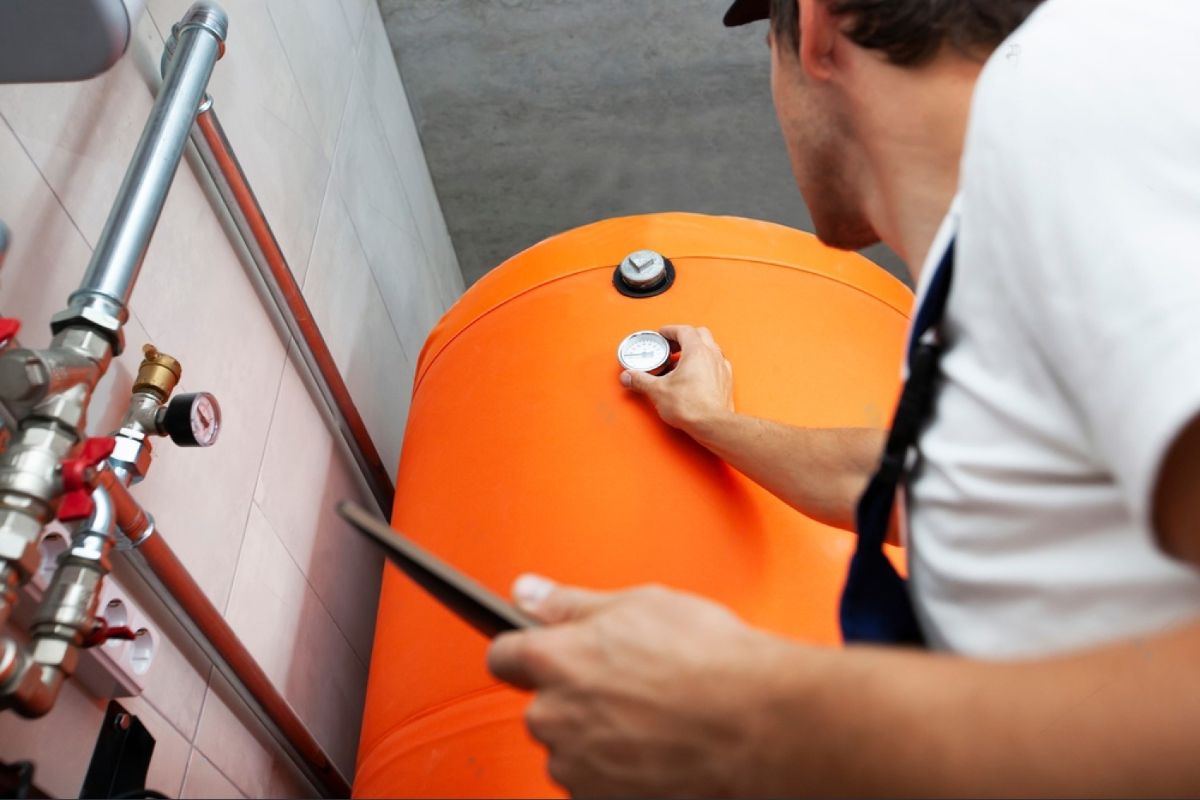
The price of heating oil in the UK changes regularly based on crude oil markets, seasonal demand, location, delivery quantity, supplier competition and global events. Buying larger volumes can often reduce the price per litre, while winter demand may push prices higher. Households can usually save by ordering before levels become critically low, comparing suppliers and avoiding emergency deliveries.
Heating oil remains an important fuel source for thousands of homes across the UK, particularly in rural areas that are not connected to the mains gas network.
For many households, one of the biggest concerns is cost.
Unlike mains gas, where customers are billed according to usage, heating oil is usually purchased in bulk and stored in a domestic oil tank. This means households may need to pay for several hundred litres at once.
Because the price can change from week to week, knowing when to order and understanding what influences the cost can make a noticeable difference to annual heating bills.
This heating oil price guide explains how heating oil is priced, what affects the cost per litre, how much an average delivery may cost, why prices change and what homeowners can do to manage their fuel spending more effectively.
What Is Heating Oil?
Heating oil is a liquid fuel used primarily for domestic heating and hot water.
In the UK, the most common type used in modern domestic oil-fired heating systems is kerosene, sometimes referred to as 28-second heating oil.
It is stored in a tank outside the property and fed into an oil-fired boiler, where it is burned to generate heat.
Heating oil is particularly common in:
- Rural homes
- Farms
- Cottages
- Properties outside the mains gas network
- Larger country homes
- Some commercial buildings
Because users normally buy the fuel in bulk, the amount paid depends heavily on the market price at the time of ordering.
How Is Heating Oil Priced?
Heating oil is generally sold by the litre.
However, the final price paid is not simply based on one national figure.
Suppliers consider several factors when calculating the cost, including:
- Wholesale fuel price
- Delivery distance
- Order quantity
- Local competition
- Seasonal demand
- Delivery urgency
- Distribution costs
- Supplier operating costs
Two customers living in different parts of the UK may therefore receive different quotations on the same day.
Even neighbouring properties can sometimes receive different prices depending on the quantity ordered or the delivery terms selected.
How Much Does Heating Oil Cost in the UK?
There is no fixed heating oil price.
Prices can move considerably over the course of a year, and sometimes within a matter of days.
Rather than focusing entirely on one current price per litre, homeowners should understand that the cost is influenced by a combination of international oil markets and local supply conditions.
For example, if a household orders 1,000 litres and the quoted price is 70 pence per litre, the fuel cost would be:
1,000 × £0.70 = £700
If the price rose to 80 pence per litre, the same 1,000-litre delivery would cost £800.
A relatively small increase per litre can therefore make a noticeable difference on a large order.
What Affects Heating Oil Prices?
Heating oil prices are affected by both global and local factors.
Understanding these influences can help explain why quotations may rise or fall unexpectedly.
1. Crude Oil Prices
Heating oil is ultimately derived from crude oil.
When crude oil prices rise, heating oil usually becomes more expensive.
Global crude oil prices are influenced by factors such as:
- International supply
- Production levels
- Global demand
- Political instability
- Natural disasters
- Economic growth
- Sanctions
- Major conflicts
Because oil is traded internationally, events thousands of miles away can influence the price paid by a household in the UK.
2. Seasonal Demand
Heating oil demand usually increases during colder months.
More households need fuel during autumn and winter, particularly during periods of freezing weather.
When demand rises quickly, suppliers may face additional pressure on delivery schedules and fuel availability.
This can contribute to higher prices.
For this reason, purchasing oil before peak winter demand can sometimes be beneficial.
3. Order Quantity
The amount of oil ordered can influence the price per litre.
Larger orders are often more cost-effective because the supplier can spread delivery and administrative costs across a greater quantity of fuel.
For example, a 1,000-litre order may have a lower cost per litre than a 500-litre delivery.
However, the household needs enough tank capacity and sufficient funds to purchase the larger amount.
4. Your Location
Delivery location can affect heating oil prices.
Properties that are remote or difficult to access may face additional delivery costs.
Prices may also vary depending on the number of suppliers operating in a particular region.
Areas with greater competition may offer more competitive quotations.
Rural areas with fewer suppliers may sometimes have less price competition.
5. Delivery Speed
Emergency or next-day deliveries can cost more than standard deliveries.
When households allow their tank to run almost completely empty, they may have little choice but to request urgent delivery.
Planning ahead can therefore reduce the risk of paying an emergency premium.
6. Currency Exchange Rates
Crude oil is commonly traded internationally in US dollars.
Changes in the value of the pound can therefore affect the cost of importing oil.
If sterling weakens against the dollar, imported oil can become more expensive even if the underlying crude oil price remains relatively stable.
7. Refining and Distribution Costs
Crude oil must be refined, transported, stored and distributed before it reaches a household.
Changes in refining capacity, transportation costs or supply chain disruption can all affect the final retail price.
8. Global Political Events
Heating oil prices can react quickly to international developments.
Political instability in major oil-producing regions, changes in production agreements or disruption to major shipping routes can influence global supply expectations.
Markets may respond rapidly, even before any physical shortage occurs.
Does Heating Oil Cost More in Winter?
Heating oil often becomes more expensive during colder periods because demand increases.
However, this is not guaranteed.
Global crude oil prices can have a stronger influence than seasonal demand.
A mild winter combined with falling oil markets could result in lower prices, while global supply disruption during summer could push prices higher.
Season should therefore be treated as only one factor.
When Is the Best Time to Buy Heating Oil?
There is no guaranteed cheapest month to buy heating oil.
However, households can often improve their chances of securing a reasonable price by avoiding panic buying.
It is usually better to monitor tank levels and order before the supply becomes critically low.
Buying during quieter periods may also provide greater flexibility.
Spring and summer sometimes experience lower heating demand, but market conditions can still cause prices to rise.
Instead of trying to perfectly predict the market, many households benefit from purchasing when:
- Their tank reaches a planned reorder level
- Prices appear reasonable compared with recent months
- They can place a standard delivery rather than an emergency one
- They have enough storage capacity for a larger order
How Much Heating Oil Does a Home Use?
Heating oil consumption varies significantly between properties.
Factors affecting usage include:
- Property size
- Number of occupants
- Boiler efficiency
- Insulation
- Outdoor temperature
- Thermostat settings
- Hot water usage
- Heating schedule
A well-insulated modern home may consume considerably less oil than a large, poorly insulated older property.
Large detached rural homes can also use more fuel than small cottages or bungalows.
How Long Does 500 Litres of Heating Oil Last?
There is no single answer because usage varies by household.
For some homes, 500 litres may last several months during warmer weather.
During a cold winter, a large property may use the same quantity much faster.
The most useful approach is to monitor your own historic consumption.
Keep records of:
- Delivery dates
- Litres ordered
- Tank level before delivery
- Seasonal weather
- Household occupancy
This can help estimate future requirements much more accurately.
How Long Does 1,000 Litres of Heating Oil Last?
Again, this depends on usage.
A smaller energy-efficient home may make 1,000 litres last for a significant part of the heating season.
A large property with high heating demand may use the same amount considerably faster.
Rather than relying on national averages, homeowners should base future orders on their own consumption patterns.
What Is the Minimum Heating Oil Order?
Minimum order quantities vary by supplier.
A common minimum quantity may be around 500 litres, although some suppliers offer smaller deliveries.
Smaller orders may have a higher price per litre because transport costs are spread across less fuel.
If storage capacity allows, purchasing a larger amount can sometimes reduce the unit price.
Is It Cheaper to Buy Heating Oil in Bulk?
In many cases, yes.
Suppliers often offer more competitive per-litre rates for larger orders.
For example, an order of 1,000 litres may cost less per litre than an order of 500 litres.
However, customers should consider:
- Available tank capacity
- Total upfront cost
- Expected consumption
- Current market price
- Condition of the storage tank
There is little benefit in buying extra fuel if the tank is in poor condition or cannot safely accommodate it.
Heating Oil Group Buying Schemes
Some rural communities operate heating oil buying groups.
Multiple households combine their orders so a supplier can deliver a larger total quantity within one area.
This may help reduce delivery costs and improve the price per litre.
Group buying can be particularly useful in villages or rural communities where many households rely on heating oil.
How Can You Reduce Heating Oil Costs?
There are several practical ways to reduce annual fuel expenditure.
Compare Suppliers
Do not automatically accept the first quotation.
Prices can vary between suppliers, so comparing several options can help identify better value.
Avoid Emergency Orders
Running out of heating oil can create both inconvenience and additional expense.
Emergency delivery may carry a premium.
Monitoring tank levels helps avoid this problem.
Order Larger Quantities
If your tank and budget allow, larger orders may attract a better per-litre price.
Improve Home Insulation
Reducing heat loss means the boiler does not need to run as often.
Important areas include:
- Loft insulation
- Wall insulation
- Windows
- Doors
- Draught proofing
- Pipe insulation
Service the Boiler
A poorly maintained boiler may consume more fuel.
Regular servicing can help ensure efficient combustion and identify problems before they become expensive.
Use Heating Controls Properly
Thermostats, timers and thermostatic radiator valves can help reduce unnecessary heating.
Even small adjustments can reduce fuel consumption over an entire winter.
Why Tank Condition Can Affect Your Heating Costs
The condition of the oil tank itself is often overlooked.
A damaged, ageing or poorly maintained tank can create risks including:
- Leaks
- Water contamination
- Fuel loss
- Corrosion
- Cracking
- Environmental damage
Regular visual checks are therefore important.
Look for signs such as:
- Bulging
- Deep cracks
- Rust
- Damp patches
- Strong oil smells
- Damaged pipework
- Unstable foundations
If there are concerns about an ageing domestic oil tank, professional inspection can help determine whether repair or replacement is necessary.
Services such as those provided by Network Environmental UK may be relevant where domestic oil tank replacement, removal or responsible handling of waste oil is required.
Heating Oil Prices and Tank Size
Storage capacity can affect purchasing flexibility.
A larger tank allows households to buy more fuel when prices are favourable.
Smaller tanks may require more frequent deliveries, increasing exposure to short-term price fluctuations.
However, larger tanks also require:
- More space
- A suitable base
- Proper positioning
- Safe installation
- Appropriate environmental protection
Tank size should therefore be selected based on both consumption and site conditions.
Should You Fill Your Heating Oil Tank Completely?
Filling the tank can make sense when prices are favourable and sufficient storage capacity is available.
However, homeowners should not exceed the safe working capacity of the tank.
Heating oil expands and contracts slightly with temperature changes, so tanks are not normally filled completely to the top.
Suppliers and tank manufacturers provide guidance on safe fill levels.
Heating Oil Price per Litre vs Total Cost
Focusing only on price per litre can be misleading.
A supplier offering the cheapest unit price may charge additional fees.
Always check whether the quotation includes:
- VAT
- Delivery
- Service charges
- Small-order charges
- Emergency delivery fees
Comparing the final payable amount provides a more accurate picture.
Can Heating Oil Prices Change After You Order?
This depends on the supplier’s terms.
Some suppliers lock in the price when the order is confirmed.
Others may have terms linked to delivery timing or market movements.
Customers should always check the order confirmation before completing the purchase.
Should You Wait for Heating Oil Prices to Drop?
Trying to predict oil markets perfectly is extremely difficult.
Prices can rise or fall in response to unexpected international events.
Waiting too long can also create a risk of running out of fuel.
A more practical strategy is to establish a minimum tank level and order before the supply reaches that point.
This reduces pressure and gives more time to compare suppliers.
Signs Your Heating Oil Tank Is Running Low
Modern systems may include electronic level monitors.
Older tanks may use mechanical gauges or sight tubes.
Common signs that fuel may be running low include:
- Gauge approaching empty
- Reduced boiler reliability
- Long period since the last delivery
- Increased heating use during cold weather
Homeowners should avoid allowing the tank to run completely dry.
Running out of fuel can introduce air or sediment into the supply line and may require the heating system to be restarted professionally.
Heating Oil and Energy Efficiency
The amount you spend on heating oil is determined not only by the market price but also by how efficiently the fuel is used.
A home using 1,500 litres per year at a slightly higher price may spend less overall than an inefficient property using 2,500 litres at a cheaper unit rate.
Improving energy efficiency can therefore provide more reliable long-term savings than trying to predict short-term fuel price movements.
Common Mistakes When Buying Heating Oil
Several purchasing mistakes can increase costs unnecessarily.
Waiting Until the Tank Is Empty
This can force an urgent delivery and remove the ability to shop around.
Buying Only on Price
Reliability, delivery times and supplier reputation also matter.
Ignoring Tank Condition
Ordering a large volume into a damaged tank could create an environmental and financial problem.
Forgetting Delivery Access
Tankers need safe access to the property and filling point.
Not Checking the Order Quantity
Always confirm the quantity, unit price and final cost before ordering.
How to Budget for Heating Oil
Because heating oil is normally purchased in bulk, the cost can feel more noticeable than monthly gas bills.
One approach is to estimate annual consumption and divide the expected yearly cost into monthly savings.
For example, if a household expects to spend £1,500 on heating oil in one year, setting aside approximately £125 per month can make future deliveries easier to manage.
Actual costs will vary, but planning can reduce the financial impact of large winter orders.
Heating Oil vs Mains Gas
Heating oil and mains gas work very differently from a purchasing perspective.
Mains gas users usually pay monthly or quarterly bills.
Heating oil users purchase fuel in advance and store it on site.
Heating oil therefore offers the freedom to:
- Choose suppliers
- Select delivery quantities
- Monitor market prices
- Buy in advance
However, it also requires greater responsibility for fuel storage and tank maintenance.
Is Heating Oil Still a Practical Choice?
For properties that cannot connect easily to mains gas, heating oil can remain a practical heating option.
Modern oil boilers can provide effective heating and hot water, while bulk fuel storage allows households to control when they purchase fuel.
The main consideration is careful management.
Monitoring prices, maintaining the tank, servicing the boiler and improving insulation can all help keep long-term costs under control.
Conclusion
Heating oil prices in the UK are influenced by many different factors, including crude oil markets, seasonal demand, exchange rates, delivery location, order size and international events. Network Environmental UK can also help homeowners understand the importance of responsible fuel storage and maintaining their heating oil tanks.
There is no single fixed price and no guaranteed cheapest time to buy.
The most effective approach is usually to monitor your oil level, compare supplier quotations and avoid emergency deliveries.
Larger orders can sometimes reduce the cost per litre, while improvements to insulation and boiler efficiency can reduce the total amount of fuel required.
It is also important to maintain the oil storage tank because leaks, corrosion or damage can lead to fuel loss and potentially expensive environmental problems.
Understanding both fuel prices and household consumption can help homeowners make more informed decisions and manage heating costs throughout the year.