
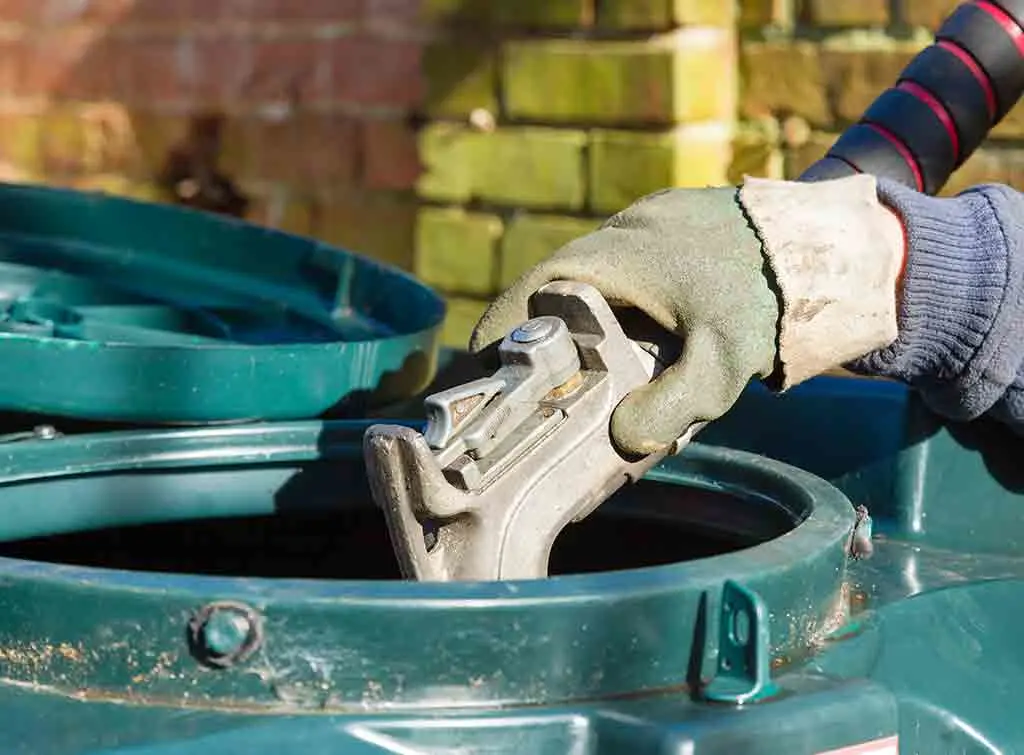
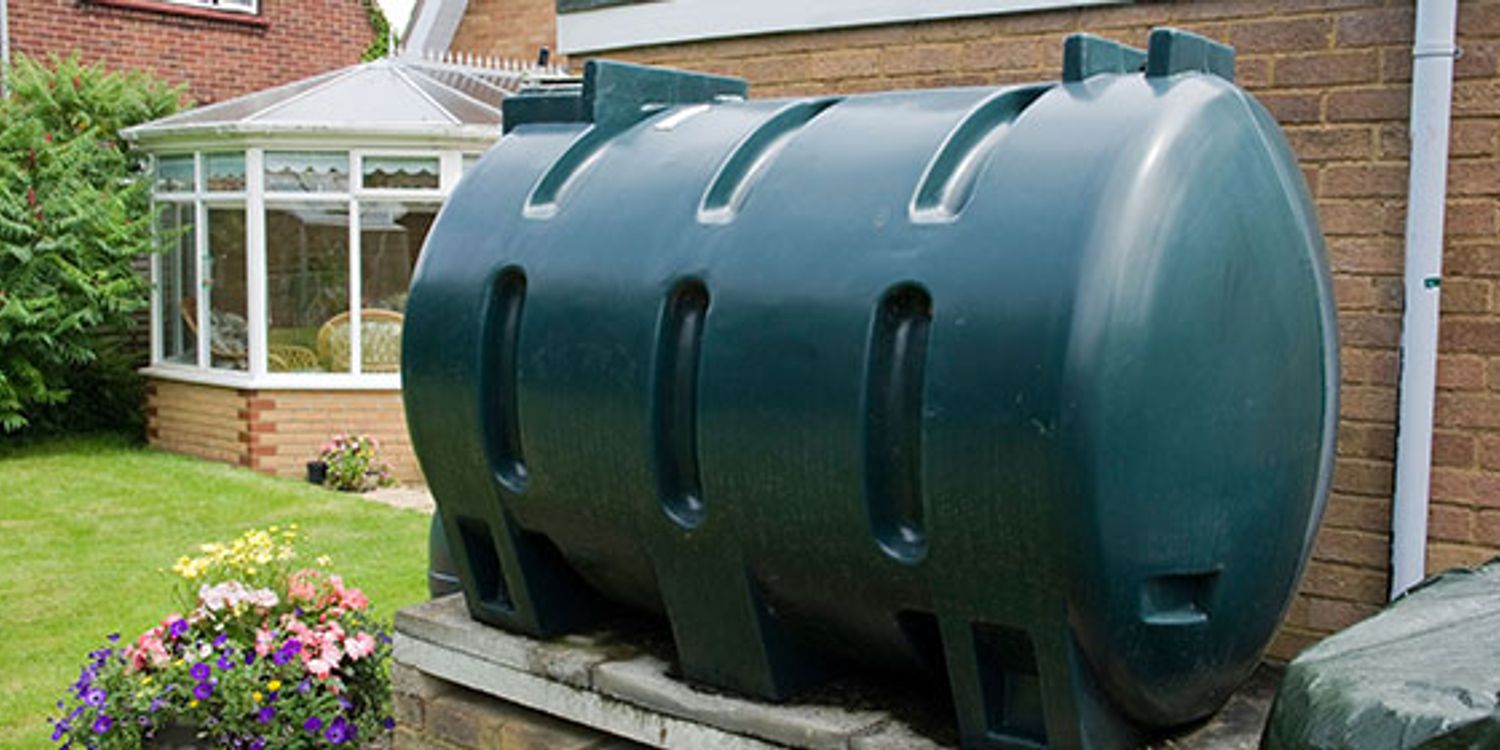
An oil tank heating system works by storing heating oil in a secure tank, which is then pumped through a supply line to an oil-fired boiler. Inside the boiler, the oil is filtered, atomised, and ignited to produce heat. This heat warms water in the boiler’s heat exchanger, and a circulation pump distributes the hot water through radiators, underfloor heating, or a hot water cylinder. A thermostat controls the system by switching the boiler on and off to maintain the desired indoor temperature, providing efficient heating and hot water throughout the home.
Oil tank heating remains one of the most dependable heating systems for homes that are not connected to the mains gas network. Across many rural and remote areas of the UK, thousands of households rely on heating oil to keep their homes warm and provide hot water throughout the year. Network Environmental UK understands the importance of reliable, efficient, and well-maintained oil heating systems, helping homeowners appreciate how these systems operate and why regular maintenance is essential. Although modern heating technologies continue to evolve, oil-fired heating systems remain a practical and efficient solution for many properties.
What Is an Oil Tank Heating System?
An oil tank heating system is a central heating setup that stores heating oil in an external or internal storage tank. The oil is transported from the tank to an oil-fired boiler, where it is burned to produce heat.
The heat generated by the boiler warms water, which is then circulated through radiators or underfloor heating systems while also supplying hot water for taps, showers, and household appliances.
Unlike gas heating, oil heating requires homeowners to purchase heating oil in advance and store it safely in a dedicated tank.
The Main Components of an Oil Heating System
To understand how oil tank heating works, it is important to know the role of each component.
Oil Storage Tank
The oil tank stores kerosene heating oil safely until it is needed.
Most domestic oil tanks are made from:
- Plastic (polyethylene)
- Steel
- Bunded double-skinned construction for additional environmental protection
The tank is usually installed outside the property and positioned according to UK safety regulations.
Oil Supply Line
The supply pipe transports heating oil from the storage tank directly to the boiler.
Modern systems often include:
- Isolation valves
- Oil filters
- Fire safety valves
- Protective pipework
These components ensure safe and uninterrupted oil delivery.
Oil Filter
Before entering the boiler, the heating oil passes through a filter.
The filter removes:
- Dirt
- Rust particles
- Water contamination
- Sediment
Clean fuel helps protect the boiler and improves efficiency.
Oil Burner
The burner is one of the most important parts of the heating system.
Its job is to:
- Draw oil from the tank
- Mix it with air
- Atomise the fuel into a fine spray
- Ignite the mixture using an electric ignition system
This controlled combustion generates the heat required by the boiler.
Heat Exchanger
Inside the boiler is a heat exchanger.
The burning oil heats the metal surfaces of the exchanger, transferring heat into water flowing through the system.
The heated water then travels around the home.
Circulation Pump
The circulation pump moves heated water through:
- Radiators
- Underfloor heating
- Hot water cylinder
This ensures even heating throughout the property.
Thermostat
The thermostat monitors indoor temperature.
When the home reaches the desired temperature, the thermostat signals the boiler to stop firing.
Once temperatures fall again, the boiler automatically restarts.
Step-by-Step: How Does Oil Tank Heating Work?
The entire heating process is surprisingly straightforward.
Step 1: Heating Oil Is Stored Safely
Heating oil is delivered by a fuel supplier and stored inside the oil tank.
The oil remains there until the heating system demands fuel.
Step 2: Oil Travels to the Boiler
When heating is switched on, the boiler activates.
Oil travels from the storage tank through the supply pipe and passes through the oil filter.
Step 3: Fuel Is Atomised
The burner pump pressurises the oil.
The nozzle converts the oil into a fine mist.
This allows efficient combustion.
Step 4: Air Is Mixed with Oil
A fan introduces the correct amount of oxygen into the burner chamber.
Maintaining the correct air-to-fuel ratio improves efficiency and reduces emissions.
Step 5: Ignition Takes Place
An electronic ignition spark ignites the fuel-air mixture.
This produces a stable flame.
Step 6: Heat Is Generated
The flame heats the boiler’s heat exchanger.
Cold water passing through the exchanger rapidly absorbs the heat.
Step 7: Warm Water Circulates
The heated water is pumped around the home.
Radiators release heat into each room while hot water is stored or supplied directly for domestic use.
Step 8: The Thermostat Controls the Process
Once the desired room temperature has been reached, the thermostat turns the burner off.
When temperatures fall, the cycle begins again.
What Type of Oil Is Used?
Most UK domestic heating systems use:
- Kerosene (28-second heating oil)
Commercial systems may use:
- Gas oil (35-second oil)
Kerosene burns cleaner and is better suited to modern domestic boilers.
Why Do Many Homes Still Use Oil Heating?
Oil heating continues to be popular because it offers several benefits.
High Heat Output
Oil produces a strong heat output, making it ideal for larger homes and older properties.
Reliable Heating
Unlike mains gas, homeowners control their own fuel supply.
As long as the tank contains oil, heating remains available.
Suitable for Rural Properties
Many countryside homes have no access to gas pipelines.
Oil heating provides an excellent alternative.
Modern Boilers Are Highly Efficient
Today’s condensing oil boilers can exceed 90% efficiency when properly maintained.
Different Types of Oil Tanks
Several oil tank designs are available.
Single-Skin Tanks
These have one protective layer.
They are suitable only in lower-risk locations.
Bunded Tanks
Bunded tanks feature two layers.
If the inner tank leaks, the outer layer safely contains the oil.
These are recommended for most domestic installations.
Steel Tanks
Steel tanks provide excellent strength and durability.
They are commonly used in commercial settings.
Plastic Tanks
Plastic tanks resist corrosion and require minimal maintenance.
They are the most common choice for UK homes.
How Long Does Heating Oil Last?
The lifespan depends on usage and weather conditions.
A typical household may consume between 1,000 and 2,500 litres annually.
During winter, consumption naturally increases.
Regularly monitoring oil levels helps prevent unexpected shortages.
How Efficient Are Oil Heating Systems?
Modern oil boilers are significantly more efficient than older models.
Efficiency depends on:
- Boiler age
- Annual servicing
- Burner condition
- Clean filters
- Proper combustion settings
- Home insulation
Replacing an outdated boiler can substantially reduce fuel consumption.
Oil Heating Maintenance Tips
Routine maintenance keeps the system operating safely and efficiently.
Homeowners should:
- Arrange annual boiler servicing
- Inspect the oil tank regularly
- Replace oil filters when required
- Keep the area around the tank clear
- Check for leaks
- Monitor oil levels
- Protect external pipework during freezing weather
Professional servicing helps extend the lifespan of the entire system.
Signs Your Oil Heating System Needs Attention
Watch for these warning signs:
- Boiler repeatedly shuts down
- Unusual burner noises
- Smoke from the flue
- Rising heating oil consumption
- Slow radiator heating
- Oil smells around the tank
- Visible corrosion
- Water contamination
Early repairs often prevent more expensive damage.
Is Oil Heating Safe?
Yes, oil heating is extremely safe when installed and maintained correctly.
Modern systems include numerous safety features including:
- Fire valves
- Pressure controls
- Automatic shut-off systems
- Flame monitoring devices
- Overheat protection
Regular servicing ensures all safety systems continue functioning correctly.
Can Oil Heating Be Environmentally Friendly?
Although heating oil is a fossil fuel, modern technology has greatly reduced emissions.
Recent improvements include:
- High-efficiency condensing boilers
- Cleaner-burning kerosene
- Improved burner technology
- Better insulation
- Smart heating controls
Many manufacturers are also developing renewable liquid fuels that could reduce carbon emissions in future.
How Can You Improve Oil Heating Efficiency?
Homeowners can lower running costs by following simple steps.
Upgrade Your Boiler
Replacing an older boiler with a modern condensing model improves efficiency considerably.
Improve Insulation
Well-insulated lofts, walls and floors reduce heat loss.
Install Smart Controls
Programmable thermostats ensure heating only operates when required.
Service the Boiler Annually
Professional servicing maintains safe operation and peak performance.
Keep Radiators Efficient
Bleeding radiators removes trapped air and improves heat distribution.
Monitor Oil Usage
Tracking fuel consumption helps identify inefficiencies early.
Companies such as Network Environmental UK often recommend regular inspections and responsible maintenance to maximise system performance and minimise environmental risks.
Common Problems with Oil Heating Systems
Although generally reliable, oil heating systems may occasionally experience issues.
These include:
- Empty oil tank
- Blocked filters
- Frozen oil lines
- Faulty burner nozzles
- Air trapped in fuel lines
- Thermostat problems
- Pump failure
Most problems can be resolved quickly by qualified heating engineers.
Is Oil Heating Expensive?
Running costs depend on:
- Current oil prices
- Property size
- Insulation
- Boiler efficiency
- Outdoor temperature
Although fuel prices fluctuate, efficient systems combined with good insulation can keep heating costs manageable.
Final Thoughts
Oil tank heating remains one of the most effective heating solutions for homes without access to the mains gas network. By storing heating oil safely, delivering it to an efficient boiler, and circulating heated water throughout the home, these systems provide reliable warmth and hot water all year round.
Understanding how each component works enables homeowners to operate their heating more efficiently, reduce fuel consumption, and recognise potential problems before they become costly repairs. With annual servicing, proper maintenance, and modern energy-saving controls, an oil heating system can deliver dependable performance for many years.