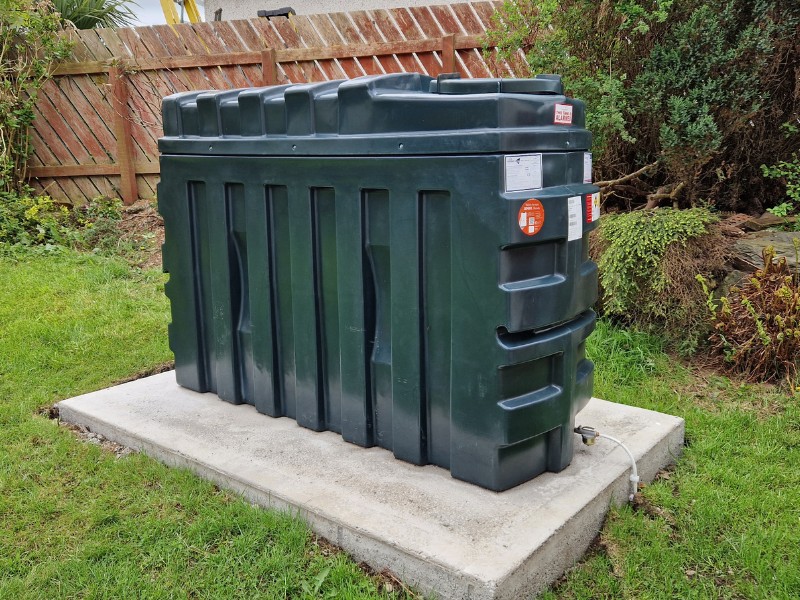
Oil tank replacement in the UK typically costs between £1,500 and £4,500, depending on the tank size, material, installation complexity, and location. A basic plastic oil tank replacement is usually more affordable, while bunded oil tanks, commercial systems, and difficult installations can significantly increase costs. Labour charges, old tank removal, pipework upgrades, and environmental regulations may also affect the final price.
How Much Does It Cost to Replace an Oil Tank in the UK?
Oil tanks are an essential part of many homes and commercial properties across the UK, especially in rural areas where mains gas is unavailable. These tanks safely store heating oil used for boilers and central heating systems. However, like any external storage system, oil tanks do not last forever. Over time, they can deteriorate, crack, corrode, or become non-compliant with modern safety regulations.
One of the most common questions homeowners ask is: how much does oil tank replacement cost? The answer varies depending on several important factors, including tank size, installation requirements, accessibility, and the type of tank being installed. Professionals such as Network Environmental UK understand the importance of safe and compliant oil tank replacement solutions that protect both properties and the environment.
Replacing an oil tank is not simply about purchasing a new container. The process may involve removing the old tank, upgrading pipework, improving safety features, and ensuring compliance with UK environmental regulations.
In this detailed guide, we will explain average oil tank replacement costs in the UK, the factors that affect pricing, different tank options available, and how to choose the right replacement system for your property.
Why Oil Tank Replacement Is Important
Oil tanks are exposed to harsh weather conditions throughout the year. Over time, wear and tear can compromise the tank’s structural integrity.
Preventing Oil Leaks
An ageing or damaged oil tank may leak heating oil into the surrounding ground. Oil contamination can cause serious environmental damage and expensive clean-up costs.
Maintaining Heating Efficiency
A well-maintained tank ensures your heating system operates efficiently without interruptions.
Meeting Modern Regulations
Current UK regulations require many properties to install bunded oil tanks for improved environmental protection.
Protecting Property Value
A damaged or outdated oil tank can negatively affect property value and insurance compliance.
Average Oil Tank Replacement Costs in the UK
Oil tank replacement prices vary based on property requirements and tank specifications.
Typical Domestic Oil Tank Replacement Costs
- Small single-skin oil tank replacement: £1,500 to £2,500
- Bunded oil tank replacement: £2,000 to £4,000
- Large-capacity oil tanks: £3,000 to £4,500+
- Commercial oil tank systems: £5,000 and above
These prices generally include the new tank, installation, basic pipework, and removal of the old unit.
What Is Included in Oil Tank Replacement?
Many homeowners assume replacement costs only cover the tank itself. However, several services are normally included.
Removal of Existing Tank
Old tanks must be safely disconnected, drained, and removed.
Installation of New Tank
Professional installers position and secure the replacement tank correctly.
Pipework and Fittings
Fuel lines, filters, valves, and gauges may need upgrading during installation.
Safety Compliance Checks
Installers ensure the system complies with environmental and building regulations.
Disposal Costs
Old tanks and any contaminated materials must be disposed of responsibly.
Factors That Affect Oil Tank Replacement Costs
Several important factors influence the total price of replacing an oil tank.
Tank Size
Larger tanks naturally cost more to purchase and install.
Common domestic tank sizes include:
- 1,000 litres
- 1,200 litres
- 2,000 litres
- 2,500 litres
Properties with higher heating demands often require larger tanks.
Type of Oil Tank
The type of tank selected significantly affects pricing.
Single-Skin Oil Tanks
Single-skin tanks consist of one protective layer and are generally cheaper. However, they may not comply with regulations in certain locations.
Bunded Oil Tanks
Bunded tanks feature a second protective outer layer designed to contain leaks. They are safer, more environmentally friendly, and commonly recommended in the UK.
Although bunded tanks cost more initially, they provide greater long-term protection.
Installation Complexity
Simple installations are usually cheaper than complicated projects.
Factors increasing installation difficulty include:
- Restricted property access
- Uneven ground
- Additional pipework
- Relocating the tank
- Concrete base construction
Location of the Tank
Tank placement affects labour costs and compliance requirements.
Oil tanks must be positioned a safe distance from:
- Buildings
- Drains
- Boundaries
- Fire hazards
Moving the tank to meet regulations may increase installation costs.
Environmental Regulations
The UK has strict regulations regarding oil storage to protect the environment from contamination.
Professional installers must comply with guidelines relating to:
- Spill prevention
- Fire safety
- Drainage protection
- Tank positioning
Failure to meet regulations may result in fines or insurance complications.
Plastic vs Steel Oil Tanks
Homeowners often choose between plastic and steel tanks when replacing their system.
Plastic Oil Tanks
Plastic tanks are lightweight, corrosion-resistant, and more affordable.
Advantages
- Lower installation cost
- Rust-resistant
- Easier transportation
Minimal maintenance
Disadvantages
- Less impact-resistant
- Can fade over time in direct sunlight
Steel Oil Tanks
Steel tanks are stronger and often preferred for commercial applications.
Advantages
- High durability
- Strong structural performance
- Better impact resistance
Disadvantages
- More expensive
- Risk of corrosion if poorly maintained
How Long Does an Oil Tank Last?
Most domestic oil tanks last between 15 and 30 years depending on material quality, maintenance, and weather exposure.
Factors affecting lifespan include:
- UV exposure
- Ground stability
- Moisture levels
- Maintenance frequency
- Installation quality
Regular inspections help identify issues before serious problems occur.
Signs Your Oil Tank Needs Replacing
Many oil tank problems develop gradually over time.
Visible Cracks
Cracks in plastic tanks may lead to leaks and structural failure.
Rust and Corrosion
Steel tanks can corrode, especially around joints and seams.
Oil Smells
A strong oil smell near the tank may indicate leakage.
Discolouration
Fading or warping can signal UV damage or material deterioration.
Unstable Base
A damaged or uneven base may place stress on the tank structure.
If any of these warning signs appear, professional inspection is highly recommended.
Can an Oil Tank Be Repaired Instead of Replaced?
Minor issues may sometimes be repaired. However, replacement is often safer and more cost-effective for older tanks.
When Repairs May Be Suitable
- Minor pipe leaks
- Damaged gauges
- Small fitting replacements
When Replacement Is Necessary
- Structural cracks
- Severe corrosion
- Environmental risk
- Non-compliance with regulations
In many cases, replacing the tank avoids repeated repair costs and future complications.
The Importance of Professional Installation
Oil tank installation requires specialist knowledge and compliance with safety standards.
Professional installers ensure:
- Correct positioning
- Safe pipe connections
- Regulatory compliance
- Proper ventilation
- Environmental protection
Poor installation can lead to leaks, system failures, and legal problems.
Companies such as Dari Design + Remodel understand the importance of safe, compliant, and durable oil tank installations that provide long-term reliability for homeowners.
Do You Need Planning Permission for Oil Tank Replacement?
Most domestic oil tank replacements do not require planning permission. However, exceptions may apply in certain situations.
Planning permission may be necessary if:
- The property is listed
- The tank is unusually large
- Installation affects neighbouring boundaries
- The property is in a conservation area
Professional installers can advise homeowners regarding local requirements.
How to Reduce Oil Tank Replacement Costs
Although replacement can be expensive, several strategies may help reduce costs.
Compare Multiple Quotes
Obtaining several quotations helps identify fair pricing.
Replace Before Failure
Emergency replacements are often more expensive.
Choose the Right Tank Size
Oversized tanks may increase unnecessary costs.
Maintain the New Tank Properly
Regular maintenance reduces long-term repair expenses.
Oil Tank Maintenance Tips
Proper maintenance helps maximise tank lifespan and reduce future replacement costs.
Inspect Regularly
Check for cracks, corrosion, and leaks every few months.
Keep the Area Clear
Avoid vegetation or debris accumulating around the tank.
Protect Against Impact
Prevent accidental damage from vehicles or garden equipment.
Monitor Oil Levels
Low oil levels may increase condensation inside the tank.
Are Bunded Oil Tanks Worth the Extra Cost?
Many experts recommend bunded tanks because they provide additional environmental protection.
Benefits include:
- Reduced leak risk
- Better regulatory compliance
- Improved insurance approval
- Greater long-term reliability
Although the upfront cost is higher, bunded tanks often provide better value over time.
Choosing the Right Oil Tank Installer
Selecting an experienced installer is just as important as choosing the right tank.
Look for companies that offer:
- OFTEC registration
- Insurance coverage
- Positive customer reviews
- Transparent quotations
- Warranty protection
Professional workmanship helps ensure long-term safety and performance.
Final Thoughts
Oil tank replacement is a significant but essential investment for many UK homeowners. Although costs can vary widely, most domestic replacements range from £1,500 to £4,500 depending on tank size, installation complexity, and safety requirements.
Replacing an ageing oil tank helps prevent leaks, improves heating reliability, and ensures compliance with modern environmental regulations. While cheaper options may seem attractive initially, investing in a high-quality tank and professional installation often saves money in the long run.
Whether choosing a single-skin or bunded system, homeowners should prioritise durability, safety, and regulatory compliance. Regular maintenance and professional inspections can also extend the lifespan of a new oil tank and reduce future repair costs.
By understanding replacement costs and installation requirements, property owners can make informed decisions that protect both their home and the environment.