

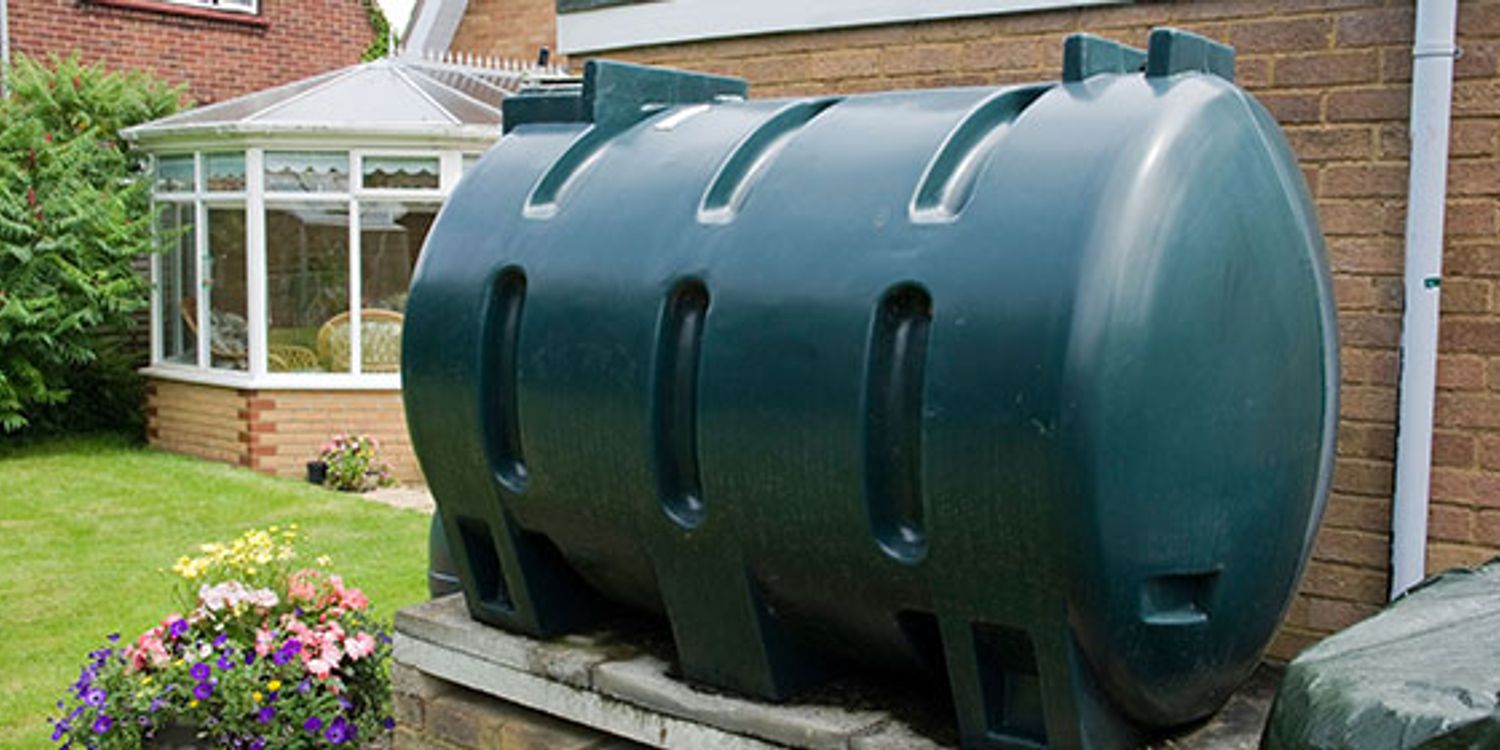

How much heating oil am I using? The amount of heating oil you use depends on property size, insulation, boiler efficiency, weather conditions, thermostat settings, and household habits. Most UK homes use between 1,000 and 2,500 litres of heating oil annually, but tracking tank levels, monitoring daily usage, and improving energy efficiency can significantly reduce overall consumption.
Heating oil remains one of the most reliable ways to keep homes warm across rural parts of the UK. Many properties are located beyond the mains gas network, making oil-fired central heating an essential solution for comfortable living throughout the year.
Understanding your heating oil consumption is important for managing household expenses, avoiding unexpected shortages, and improving energy efficiency. Whether you’re trying to budget more effectively or simply want to reduce your environmental impact, monitoring your heating oil usage can make a significant difference. Network Environmental UK understands the importance of helping homeowners make informed decisions about fuel management, heating efficiency, and long-term energy savings.
This detailed guide explains how heating oil consumption is measured, what influences your usage, how to estimate your annual requirements, and practical ways to reduce unnecessary fuel consumption.
Why Understanding Heating Oil Usage Matters
Many homeowners only notice their heating oil consumption when it’s time to refill the tank. Unfortunately, this approach often leads to unexpected costs or emergency deliveries during colder months.
Knowing how much heating oil you use helps you:
- Plan your annual heating budget
- Schedule fuel deliveries before running low
- Compare year-on-year energy efficiency
- Detect possible boiler problems
- Reduce unnecessary fuel waste
- Improve household energy performance
Monitoring usage gives you greater control over both your heating system and your finances.
How Heating Oil Is Measured
Heating oil is typically supplied in litres throughout the UK.
Your storage tank contains a fuel gauge showing approximately how much oil remains. Some modern tanks include digital monitors that provide more accurate readings, while older tanks rely on mechanical float gauges.
Heating oil usage is usually calculated by:
- Litres used per day
- Litres used per month
- Annual consumption
- Seasonal usage during winter
Tracking these figures helps identify patterns in your heating habits.
Average Heating Oil Consumption in the UK
Every home is different, but general estimates can provide a useful benchmark.
Approximate annual usage:
Property Type | Annual Heating Oil Usage |
Small bungalow | 800–1,000 litres |
Two-bedroom house | 1,000–1,500 litres |
Three-bedroom detached home | 1,500–2,000 litres |
Large family house | 2,000–2,500+ litres |
These figures vary depending on:
- Property age
- Number of occupants
- Heating habits
- Boiler condition
- Insulation quality
- Outdoor temperatures
Factors That Affect Heating Oil Usage
Understanding the main influences on fuel consumption helps explain why one household uses considerably more oil than another.
Size of Your Property
Larger homes naturally require more energy to heat.
A detached five-bedroom property will typically consume much more heating oil than a compact semi-detached house because there is more space to warm.
Insulation Quality
Poor insulation is one of the biggest causes of excessive heating oil use.
Heat escapes through:
- Loft spaces
- External walls
- Windows
- Doors
- Floors
Well-insulated homes retain warmth for longer, meaning the boiler runs less frequently.
Boiler Efficiency
Older boilers often burn more fuel while producing less heat.
Modern condensing boilers operate far more efficiently and can significantly reduce annual heating oil consumption.
If your boiler is over 15 years old, upgrading may provide noticeable savings.
Outside Temperature
Cold winters naturally increase fuel usage.
During freezing weather:
- Boilers operate more often.
- Heating stays on longer.
- Water heating demand increases.
Mild winters usually result in noticeably lower oil consumption.
Number of Occupants
More people generally means higher energy demand.
Additional occupants increase:
- Hot water usage
- Heating hours
- Shower frequency
- Laundry loads
All of these contribute to greater heating oil consumption.
Thermostat Settings
Every degree higher on your thermostat increases fuel usage.
Keeping your home at 23°C instead of 20°C can lead to considerably higher annual oil consumption.
Most households remain comfortable between 18°C and 21°C.
Daily Lifestyle
Working from home often increases heating demand.
If someone remains indoors all day, the heating system typically runs for longer than in homes left empty during working hours.
How to Calculate Your Heating Oil Usage
Calculating your heating oil consumption is relatively straightforward.
Method 1: Monitor Tank Levels
Check your oil tank every week.
Record:
- Current fuel level
- Date
- Weather conditions
Over time, you’ll identify your average weekly usage.
Method 2: Use Delivery Records
Review your previous oil deliveries.
For example:
- January: 1,000 litres
- July: 500 litres
- November: 800 litres
Total annual usage:
2,300 litres
This provides one of the most accurate estimates.
Method 3: Estimate Daily Consumption
Suppose your tank contains:
1,000 litres
Thirty days later:
850 litres
Oil used:
150 litres
Daily consumption:
150 ÷ 30 = 5 litres per day
How Much Heating Oil Does a Boiler Use Per Hour?
Boiler consumption depends on its output.
Approximate figures include:
- Small boiler: 1.5–2 litres per hour
- Medium boiler: 2–3 litres per hour
- Large boiler: 3–4 litres per hour
However, boilers rarely operate continuously.
Instead, they cycle on and off according to demand.
Seasonal Heating Oil Usage
Heating oil demand changes dramatically throughout the year.
Winter
This is when most oil is consumed.
Heating often runs:
- Morning
- Afternoon
- Evening
- Overnight during freezing conditions
Some households use over half their annual supply during winter alone.
Spring
Usage begins to decline.
Heating becomes occasional rather than constant.
Summer
Consumption is usually at its lowest.
Oil is mainly used for:
- Hot water
- Occasional chilly evenings
Autumn
Demand increases gradually as temperatures fall.
Many homeowners arrange deliveries before winter arrives.
Signs You May Be Using Too Much Heating Oil
Unexpectedly high consumption could indicate an underlying issue.
Warning signs include:
- More frequent oil deliveries
- Rising heating bills
- Boiler constantly running
- Uneven room temperatures
- Excessive boiler cycling
- Poor insulation
- Oil leaks
- Dirty boiler components
Investigating these issues early can prevent unnecessary fuel waste.
Ways to Reduce Heating Oil Usage
Lowering your heating oil consumption doesn’t necessarily mean sacrificing comfort.
Here are some effective strategies.
Improve Loft Insulation
A significant amount of household heat escapes through the roof.
Increasing loft insulation helps retain warmth and reduces boiler running time.
Seal Draughts
Cold air entering through:
- Doors
- Windows
- Letterboxes
forces your heating system to work harder.
Simple draught-proofing measures can improve efficiency.
Lower Your Thermostat
Reducing the thermostat by just one degree may noticeably reduce annual heating costs while maintaining comfort.
Service Your Boiler Annually
Regular servicing ensures:
- Cleaner combustion
- Better efficiency
- Safer operation
- Lower fuel consumption
An efficient boiler uses less heating oil.
Install Smart Heating Controls
Modern heating controls allow you to:
- Schedule heating
- Adjust temperatures remotely
- Reduce unnecessary heating
This helps prevent wasted fuel.
Bleed Radiators
Air trapped inside radiators reduces heating performance.
Bleeding radiators ensures better heat distribution throughout your home.
Upgrade Older Boilers
Replacing an ageing boiler with a modern condensing model can significantly improve efficiency.
Although installation requires investment, long-term fuel savings are often worthwhile.
Should You Keep Your Oil Tank Full?
Many homeowners prefer keeping their tank reasonably full throughout the year.
Advantages include:
- Reduced risk of running out
- Better fuel purchasing flexibility
- Less condensation inside the tank
- Greater winter security
Buying fuel during warmer months may also offer lower prices compared with peak winter demand.
How Often Should You Check Your Heating Oil Tank?
Checking your tank regularly prevents surprises.
Recommended frequency:
- Weekly during winter
- Every two weeks in spring and autumn
- Monthly during summer
Some homeowners install electronic tank monitors that automatically report remaining fuel levels.
Can Smart Monitoring Reduce Heating Oil Usage?
Yes.
Modern tank monitoring systems provide:
- Real-time fuel levels
- Consumption trends
- Low-level alerts
- Delivery planning
Better information leads to better fuel management.
Environmental Considerations
Reducing heating oil usage isn’t only beneficial for your wallet.
Lower fuel consumption also helps:
- Reduce carbon emissions
- Improve energy efficiency
- Minimise fuel waste
- Extend boiler lifespan
Combining efficient heating practices with improved insulation creates both financial and environmental benefits.
Common Mistakes That Increase Heating Oil Consumption
Many households unknowingly waste heating oil through everyday habits.
Examples include:
- Leaving heating on when nobody is home
- Blocking radiators with furniture
- Ignoring boiler servicing
- Poor insulation
- Setting the thermostat too high
- Heating unused rooms
- Delaying repairs to faulty heating systems
Small improvements can add up to substantial annual savings.
When Should You Seek Professional Advice?
If your heating oil usage suddenly increases without explanation, it’s worth arranging a professional inspection.
A qualified heating engineer can check:
- Boiler efficiency
- Burner performance
- Fuel lines
- Tank condition
- Thermostat calibration
- Heating controls
Early diagnosis often prevents more costly repairs later.
Final Thoughts
Understanding how much heating oil you are using is one of the simplest ways to improve your home’s energy efficiency and control household costs. While every property has different heating requirements, monitoring your oil levels, reviewing delivery records, and paying attention to seasonal trends can provide a clear picture of your annual fuel consumption.
Simple improvements such as enhancing insulation, servicing your boiler regularly, using smart heating controls, and lowering thermostat settings can significantly reduce the amount of heating oil your home requires without compromising comfort. By taking a proactive approach to monitoring and managing your heating system, you’ll enjoy greater peace of mind, lower running costs, and a warmer, more energy-efficient home throughout the year.