Replacing a heating oil tank involves removing the old tank, safely disposing of remaining oil, preparing a compliant base, installing a new tank, reconnecting pipework, and completing safety checks. In the UK, homeowners should use a qualified installer to ensure the replacement meets environmental regulations, fire safety standards, and OFTEC guidelines. The total process usually takes one to two days depending on tank size and installation complexity.
A Complete Guide to Replacing a Heating Oil Tank in the UK
Heating oil tanks are an essential feature for many homes across the UK, particularly in rural areas where mains gas connections are unavailable. These tanks store fuel used for boilers and central heating systems, helping households maintain warmth and hot water throughout the year. However, heating oil tanks do not last forever. Age, weather exposure, corrosion, and general wear can eventually lead to leaks, safety concerns, and regulatory issues. Companies such as Network Environmental UK understand the importance of safe, compliant, and environmentally responsible oil tank solutions for residential and commercial properties.
When an oil tank becomes damaged or outdated, replacement is often the safest and most cost-effective solution. Many homeowners delay replacing ageing tanks because they are unsure about the process, costs, or legal requirements. Yet replacing a faulty tank early can help prevent environmental contamination, expensive repairs, and heating disruptions.
This comprehensive guide explains everything homeowners need to know about replacing a heating oil tank in the UK, including the replacement process, costs, regulations, installation requirements, and maintenance advice.
Why Heating Oil Tanks Need Replacing
Oil tanks are constantly exposed to changing weather conditions. Over time, this exposure weakens the tank structure and increases the risk of failure.
Common Reasons for Oil Tank Replacement
Several issues may indicate that an oil tank needs replacing:
- Cracks or splits in the tank
- Rust and corrosion
- Oil leaks
- Fading or warping from UV exposure
- Unstable tank base
- Non-compliance with current regulations
- Age-related deterioration
Most domestic oil tanks last between 15 and 30 years depending on material quality, installation standards, and maintenance.
Signs Your Heating Oil Tank Is Failing
Homeowners should regularly inspect their tank for warning signs of damage.
Strong Oil Smells
Persistent oil odours near the tank may suggest leakage or damaged fittings.
Damp or Oily Ground
Visible oil around the base of the tank is a serious issue requiring immediate attention.
Cracks and Bulging
Plastic tanks may bulge or crack due to pressure changes and ageing materials.
Rust on Metal Tanks
Steel tanks are vulnerable to corrosion, especially in wet environments.
Unstable Positioning
A leaning or uneven tank may indicate foundation problems.
If any of these issues appear, arranging a professional inspection is highly recommended.
Understanding UK Oil Tank Regulations
The UK has strict regulations designed to prevent environmental contamination and improve safety standards.
Bunded Tank Requirements
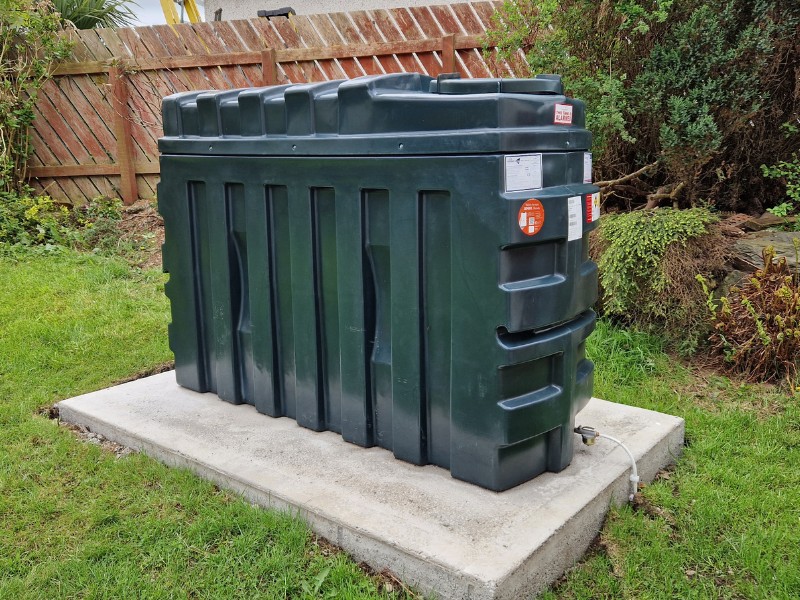
Many properties now require bunded oil tanks. A bunded tank includes an outer protective layer that prevents leaks from escaping into the environment.
Distance Regulations
Oil tanks must be installed a safe distance from:
- Buildings
- Property boundaries
- Drains
- Fire hazards
- Openings such as doors and windows
OFTEC Compliance
Heating oil installations should follow OFTEC guidelines to ensure proper safety and environmental standards are met.
Professional installers understand these legal requirements and help homeowners remain compliant.
Types of Heating Oil Tanks
Choosing the right replacement tank is an important part of the installation process.
Plastic Oil Tanks
Plastic tanks are widely used for domestic heating systems.
Benefits of Plastic Tanks
- Lightweight design
- Corrosion resistance
- Lower purchase costs
- Minimal maintenance requirements
Drawbacks
- Less impact resistance than steel
- UV exposure may weaken older tanks
Steel Oil Tanks
Steel tanks are often used for commercial applications or properties requiring extra durability.
Benefits of Steel Tanks
- Strong construction
- Excellent durability
- Better impact protection
Drawbacks
- Higher costs
- Potential rust development
Bunded vs Single-Skin Tanks
Homeowners must also choose between single-skin and bunded tanks.
Single-Skin Tanks
Single-skin tanks have one protective wall and are generally cheaper.
Bunded Tanks
Bunded tanks include a secondary containment layer for additional safety.
Most modern UK installations now favour bunded tanks because they reduce environmental risks and improve compliance.
The Heating Oil Tank Replacement Process
Replacing an oil tank involves several important steps to ensure safe installation.
Step 1: Professional Inspection
A qualified installer first assesses the condition of the current tank and determines replacement requirements.
The inspection considers:
- Tank size
- Positioning
- Accessibility
- Pipework condition
- Environmental risks
Step 2: Removing Remaining Oil
Before removal, any remaining heating oil must be safely drained from the old tank.
In some cases, usable oil may be transferred into the new tank.
Step 3: Disconnecting Pipework
Fuel lines, gauges, and fittings are carefully disconnected before tank removal.
Step 4: Removing the Old Tank
The old tank is safely removed and disposed of according to environmental regulations.
Safe Disposal Matters
Improper disposal can lead to contamination and legal penalties.
Step 5: Preparing the Base
Oil tanks require a stable, fire-resistant base.
Suitable bases include:
- Concrete slabs
- Paving slabs
- Reinforced platforms
An uneven or damaged base may reduce tank lifespan and create safety risks.
Step 6: Installing the New Tank
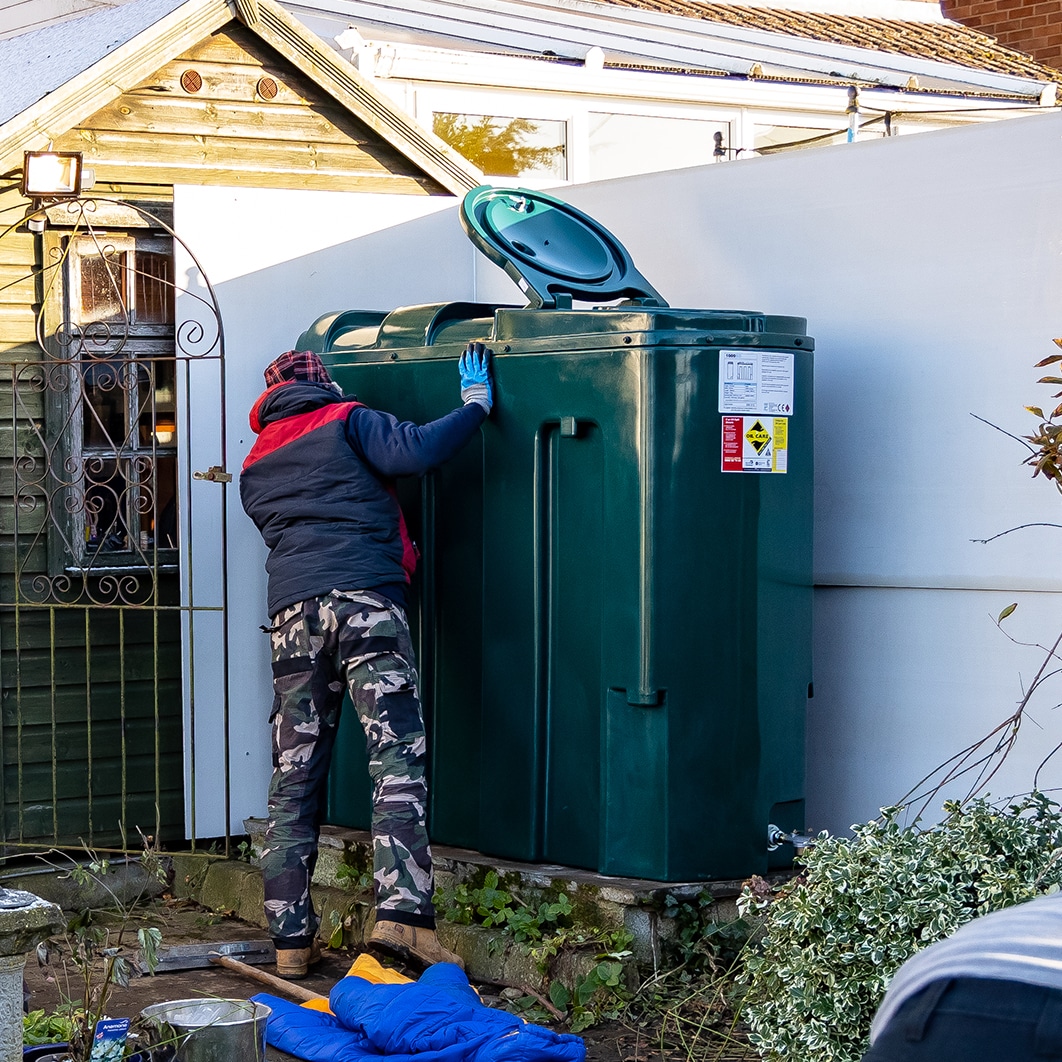
The replacement tank is positioned correctly and secured safely.
Professional installers ensure compliance with required distance regulations and fire safety standards.
Step 7: Reconnecting Pipework
New or upgraded pipework is connected to the heating system.
Components may include:
- Isolation valves
- Filters
- Fuel gauges
- Fire safety valves
Step 8: Safety Checks and Testing
The installer completes final inspections and tests the system for leaks and proper operation.
Once approved, the heating system is restarted safely.
How Long Does Oil Tank Replacement Take?
Most domestic oil tank replacements take between one and two days.
However, more complicated installations may require additional time if:
- Groundworks are necessary
- Pipework needs upgrading
- Access is restricted
- Large commercial tanks are involved
Oil Tank Replacement Costs in the UK
Replacement costs vary depending on tank type, location, and installation complexity.
Average Replacement Costs
- Basic plastic tank replacement: £1,500 to £2,500
- Bunded oil tank installation: £2,000 to £4,500
- Large commercial systems: £5,000+
These costs often include:
- Tank supply
- Installation labour
- Old tank removal
- Basic pipework
- Compliance checks
Factors That Affect Replacement Costs
Several factors influence final pricing.
Tank Size
Larger tanks cost more to supply and install.
Installation Difficulty
Restricted access and complex pipework increase labour costs.
Tank Material
Steel tanks are usually more expensive than plastic alternatives.
Environmental Requirements
Additional safety measures may increase installation expenses.
Why Professional Installation Is Essential
Replacing a heating oil tank is not a DIY project. Incorrect installation can create serious risks including:
- Oil leaks
- Fire hazards
- Environmental contamination
- Insurance problems
- Regulatory fines
Professional companies such as Dari Design + Remodel understand the importance of safe installation procedures and compliance with UK regulations, helping homeowners protect their property and heating systems for the long term.
Can You Replace an Oil Tank Before It Fails?
Yes, and many experts recommend proactive replacement.
Replacing an ageing tank before failure offers several benefits:
- Prevents emergency heating loss
- Reduces environmental risks
- Avoids expensive clean-up costs
- Improves safety
- Ensures regulation compliance
Waiting until a tank leaks often results in significantly higher expenses.
Oil Tank Maintenance Tips
Regular maintenance helps maximise tank lifespan and reduce replacement costs.
Inspect the Tank Frequently
Check for cracks, rust, leaks, or unusual smells.
Keep the Area Clear
Vegetation and debris should not accumulate around the tank.
Monitor Fuel Levels
Low fuel levels may increase internal condensation.
Arrange Professional Servicing
Routine servicing helps identify problems early.
Environmental Risks of Oil Leaks
Heating oil contamination can severely damage soil, drains, and nearby water sources.
Cleanup costs can be extremely expensive and may not always be covered fully by insurance.
Replacing deteriorating tanks early is one of the best ways to protect the environment and avoid legal complications.
Choosing the Right Oil Tank Installer
Selecting an experienced installer is crucial for a successful replacement.
Look for installers who offer:
- OFTEC registration
- Insurance cover
- Clear quotations
- Warranty protection
- Positive customer reviews
A qualified installer ensures the system remains safe, compliant, and reliable.
Final Thoughts
Replacing a heating oil tank is a significant but essential investment for many UK homeowners. While the process may seem complicated, professional installation ensures safety, environmental protection, and long-term heating reliability.
From choosing the correct tank type to complying with UK regulations, every stage of replacement requires careful planning and expert workmanship. Modern bunded tanks provide greater safety and improved environmental protection, making them the preferred choice for many properties.
Regular inspections, routine maintenance, and early replacement of ageing tanks can help homeowners avoid expensive repairs, heating disruptions, and environmental risks.
By understanding the replacement process and working with qualified professionals, property owners can ensure their heating systems remain safe, efficient, and fully compliant for many years.